Valerie over at The Almost Librarian has a wonderful and useful post with great suggestions on combining stories with related songs. Doing this encourages great connections for kids. Children's librarians who program know this is a great way to enhance books and Valerie has a stellar set of match-ups. Those who read Rob Reid's work know that he enjoys making those connections too! What are your favorite book and tune match-ups?
5.04.2009
Books and Music- A Great Connection
Valerie over at The Almost Librarian has a wonderful and useful post with great suggestions on combining stories with related songs. Doing this encourages great connections for kids. Children's librarians who program know this is a great way to enhance books and Valerie has a stellar set of match-ups. Those who read Rob Reid's work know that he enjoys making those connections too! What are your favorite book and tune match-ups?


4.29.2009
Embrace the Embers - School/Library Partnerships Part 4
 "But Marge", you say, "we just are so overwhelmed. We want to do great partnerships but time, money, staff and energy are hard to come by. What can we do?" Lots! There are plenty of laid-back partnerships and efforts that even a part-time, one person library staffer can do.
Email Newsletters to School
Periodically mail out a brief, colorful newsletter to school staff (through each school's office - with permission of the principal of course) with children's lit or book news; services you offer; invites to take field trips to the library; suggestions of great new book read-alouds and maybe an announcement or two of perfect programs for school-agers. This kind of communication breaks down barriers and let's your colleagues know about the library and your services and collections.
Invite Classes to Visit
Field trips are fun and you can make them more inviting by using a stuffed book character as tour host for younger kids (Clifford; Very Hungry Caterpillar; Maisy) or jazzing up field trips for older kids by exploring non-fiction and making origami or cataloging and shelving the kids or playing Book Character Bingo in the fiction. Make the library fun and they will come!
Outreach Visits to the Schools
These are absolute bread-and-butter! Outreach gets you out of the library and into the schools where kids are. Offer to come to Literacy Nights and Parent Nights, do storytelling at schools, present book talks - and leave the books in the classroom for a month for kids to devour - and never forget - summer reading promotional visits are some of the best times to reach out to kids and entice them into good reading fun in the summer.
Art Displays
Offer to transform the library into an art gallery for student art and host a reception for the young artists and their families. Art teachers are often looking for end-of-the-year venues to display their students' creativity and the library makes a great gallery!
Book Lists
We often develop these to help staff and patrons find goodies in the collection. But consider developing graded booklists before summer and distributing to the schools. By recommending books that are age appropriate and in the collection, you make kids successful searchers during the summer for reads. Many teachers support these efforts and would love a list like this.
No matter where you are in partnerships with your schools, these ideas can really sparkle and help you create closer relationships with your school colleagues. A big tip of the hat to all my peeps on PUBYAC for sharing ideas and making me think about the vitality of school and library partnerships!
4.25.2009
Starting a Blaze - School/Library Partnerships Part 3
 Now you are cooking - teachers use your services,you have some great partner mojo working....what else can you do to make your school partnerships smoke?
School-Created Programs
Talk to school staffers who have cool hobbies, skills, passions and see if they would like to be part of a program or present a program for kids - or be open to them suggesting programs. It is amazing what colleagues who are knowledgable in how to talk to and reach kids can do. I have had teachers present Japanese and German culture programs for kids, a National Adoption Day program, as well as spearheading a monthly bi-lingual Spanish program series.
Shared Book Collections
If you and your school library media colleagues identify a mutual area of both of your collections that need beefing up, consider sharing a collection. We wrote a small grant for easy readers (90 at each school) housed at the schools Sept-May and then at the public library during the summer rush. It was a wonderful project and when we no longer needed to share the collection, simply divided it up between the public library and schools. It took a little oversight but really worked well to make more materials available to kids.
Kids as Book Buyers
What's better than getting a kids-eye-view of what books your collection should have. Book buying with kids for the library is a treat. We worked with our schools to identify at-risk third grade readers to join a public library club and visit a bookstore to select a non-fiction book for the public library. The kids picked carefully, we let them keep the books in their classroom for the first month and then had a party at the public library where the books were housed in a special display. It made a huge difference to the kids and us!
Early Literacy Projects
Gaining school support for library efforts to prepare kids for success in school is golden. If we can make the sale and help staffers see how we are helping them by working with preschoolers to increase literacy, school staffers can become our strongest advocates. It's worth the effort to bring them on board in initial efforts - or ask for a place at the table as they are planning literacy activities so you can let them know how many preschoolers and their families that you see!!
We'll tamp our fire down to embers for our final post and look at some simple ways to be a great partner even if you have no time, money or staff.
4.21.2009
Nurturing the Fire - School/Library Partnerships - Part 2
 Ok, your teachers have fine-free and extended loan cards; you provide classroom collections and you are getting to know the schoool folks. What's next?
School Van Delivery
Many districts have a van(s) that make deliveries between sites. If you can arrange weekly or biweekly school van stops at the library to pick up and drop off materials, it is money in the bank. This takes a little initial negotiation but if this can be arranged, it creates a way to get materials, information and projects back and forth between the school and public libraries. For parochial schools, seek out willing parent-partners from each school willing to help with these kinds of deliveries.
Outreach Visits to the Schools
This is bread and butter stuff! Let your schools know you are available to come to Literacy Nights, offer storytelling at schools, consider book talking, present at parent nights, and the ubiquitous summer reading promo visits. All these activities stress the public library's literacy role and expertise.
Cooperative Winter Reading Program
Many schools run their own winter reading-encouragement programs -why not see if school staffers are interested in pooling resources, talent and ideas to create one community-wide effort. Working together can result in a program run by the schools and supported by the public library. Perhaps the library can provide design or printing muscle; extra programs and even small incentives to encourage kids to stop by during the reading program weeks.
Kids Read One Book
Classrooms make great partners in this kind of project. Work closely with a committee from the school to select a title; seek out funding together and provide book discussions at the schools as well as the library. With enough lead time this can be a tremendous project.
Author/Illustrator Visits
Another gimme! If you are bringing in a book creator, partner with the schools and other local organizations to give the author plenty of places to present and a great way to support both schools and public library. Our most successful ongoing project involved working with colleagues to bring in authors for third graders on an annual basis. We were able to sustain interest and funding from the library, PTOs and community funding sources for many years.
Watch for Part 3 when we start to get really jiggy with it.
4.16.2009
Starting a Fire - School/Library Partnerships - Part 1
 School and public partnerships are one of THE most vital indicators of success in a community for a library. They are not always easy relationships to establish (who do I talk to; why don't they return my calls; why don't I return their calls; why do the projects we plan seem to fizzle?), but just like nurturing the tiny flames of a twiggy little fire, the results of that hard work are warming and renewing.
 I just finished talking to an elementary ed student at our local university who wanted to know how teachers could benefit from the library. Between that visit and requests for ideas on school/public library partnerships that I see on various listservs, I decided to explore some ways that I have found success with schools in my public library career. Some are simple things we all do; some may be a re-working of ideas you have seen or done; some may be brand new.
Getting to Know You
Contact, talk to and meet your school colleagues. Don't just get to know your Library Media Center colleagues, though - include the reading coordinators, reading specialists, principals and staffers at each of the schools. They all need to be part of the partnerships and can bring many different skills, talents and ideas to the table. And they can help guide you to true success by being awesome collaborators with important insight and ideas to make any school service or project successful.
Teacher Cards
Providing cards that allow teachers to check out materials fine-free and often for extended periods of time for the classroom are an easy gimme. They are great PR; help teachers and caregivers expand their book offerings to kids and it means that teachers don't have to incur fines for classroom books. The trick with these is having great communication with the teachers and stopping abusers of the service cold (rather than making rules or guidelines that penalize everyone).
Deposit Collections
You are a Children's Literature specialist. Helping select great books for teachers on a variety of subjects is a real perk of the job! The collection materials can be prepared automatically on a rotating basis or by specific subject request from teachers. By preparing these collections you save teachers time and lend your expertise. And the subjects and authors requested give you insight into areas of the collection to boost in order to support community education efforts. Win-win-win!
Stay tuned for Part II where we explore a few more partnerships outside of the basics!
4.15.2009
More Library Week Celebrations
4.13.2009
Happy Library Week
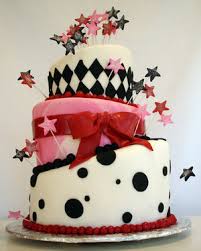 Time to celebrate a fave week. When kids come in for field trips I love to tell them that this week is like a birthday party for the library. We get to celebrate the fun of a great place - and a place that many communities and people have access to. Communities love their police, their firefighters, even their street departments. But it is the library that opens up its doors wide and the staffers that say, "Come on in!" with smiles on their faces that make libraries the truly extraordinary community resource that they are.
So a big round of applause to libraries and the dedicated staffers who work there. You provide amazing materials for communities to share; meeting rooms; strong partnerships with other groups and organizations to enhance services; fab programs for all ages; outreach to all ages; information and internet access; and support for literacy and learning throughout people's lives. Put on those party hats and celebrate!
4.07.2009
Navigating the Day
 Today was one of those days most of us dread. Many currents, rocks and shoals to navigate with personnel issues, a very tough patron behavior situation and competing staff needs and opinions all coming to rest against, under and around my little canoe. Much of the tumult is ongoing and swirls around many of the other managament staff as well. One or two are the management staff!
As a five month newbie on the job as Youth Services Coordinator, I'd like to have the luxury and a little grace time to let these currents swirl and simply float above a few situations, letting them play out as they will. But I'm paid to look at, observe, listen, represent the department and staffers, represent the public, build consensus, make recommendations, participate in and make decisions and communicate all along the way. I am here to look for ways to smooth the waters rather than stay in the middle of a maelstrom where we all get sucked down lower.
So I talked honestly with two other managers, listened to their concerns and shared some of mine. I listened as a staffer shared her frustration and promised no solution other than that I would think more on it. We will talk again and see if there is some common ground we can find in this stalemate involving another staffer. Neither is right, neither is wrong - always the hardest to mediate.
And that tough patron situation. Like many others I have had to take care of since I started, I talked as directly and as honestly as I could with the aide for a special needs adult to help reach a solution that honored both her client's needs and that of the children who use our area. I kept my director informed as well as my staffers about the situation, my communication and what actions they could take if the problem re-occurs.
Honesty, listening, communication and staying out of knee-jerk emotional reactions helped me steer the course. I am as bone-tired right now as if I had paddled all day long in my canoe in the beautiful Canadian wilderness of Quetico. And also, for today, as satisfied.
3.31.2009
Getting a Kids-Eye View
 The idea of making Children's areas truly easy for kids to use has been on my mind alot over the years. Periodically I like to walk into my place of work, sit down in the entrance or lean against the wall and just take a good hard look at the things that first greet me as I walk in. I imagine myself as a child just coming into the Children's area for the very first time.
Then I ask myself some questions:
* Are the materials reachable by people under 5' tall?
* Is it clear where the different categories of age-appropriate material are kept?
* Do signs use language understandable by 7 and 8 year olds?
* Are the books tattered, old, crowded, falling down on the shelves?
* Does the staff smile and greet kids when they come into the room?
* Is the entrance so crowded that there is no space of welcome for the kids?
The answers to these questions give me goals and objectives to work on making the room more kids-friendly. It points me to leaving the top shelves empty on stacks created for adults in mind to make sure books can be reached by kids. It helps me streamline and simplify signage - and even use objects with no wording needed (a football for sports books; a dinosaur; a firefighter's hat) to help pre-readers and early readers locate books in favorite dewey subjects.
It helps me help staff freshen up collections by weeding and sparkle them up by straightening them on their shelves and pulling their spines out to the shelf edge and out of the dark cavern at the back of the shelves. It reminds me to keep the fun in my attitude on desk and encourage staffers to maintain friendly behavior with the public. And it helps us all focus on ways to open up the space in our Children's area - even if we are in a crowded space ansd may never see a new building or remodel to give us more space.
By keeping that kids eye view, we can continually improve our space and service. So hunker down and see what you can see!
3.23.2009
Here Comes April Poetry Fun
 April is always a favorite month because (trumpet fanfare!) it is National Poetry Month! I love poetry of all kinds and do what I can to excite kids who come into the library about the wonderful poetry books we have.
 Whenever we get subject requests for book packs from teachers and daycare providers, I make sure there is a book of poems included in the pile of books we select. There are so many amazing poetry books that are themed: cats; dinosaurs; seasons; mice; wetlands; nature; chocolate; bugs; weather and so much more. By including a poetry book along with fiction and non-fiction on the subject we can extend - and beautify -the subject for the children in the classroom.
And using poems in storytime is another favorite way to share the love. There is a wealth of picture books in rhyme to share with tots. Plus there are plenty of delightful single poems that are perfect for storytime use. Rob Reid, he of "Rappin' Rob" fame, has a number of great books that suggest perfect pairings of poem and storytime themes: Family Storytime (ALA Editions); More Family Storytimes (ALA Editions); Storytime Slam (Upstart Books)
If you want to celebrate all things poetry in April, stop by GottaBook beginning April 1 for 30 Poets/30 Days and enjoy a new unpublished poem by a different poet everyday. Plus it looks like Gregory will be posting links to other great children's lit poetry resources. Let's make way for poetry!
3.17.2009
Stuffed Animal Sleepover

Here's how it works. You hold a storytime/sleepover for kids' favorite stuffed animal. Plan to hold it in the evening or late afternoon 60-90 minutes before closing time. If you are in the mood and do pre-registration, make simple nametags for kids and critters or wing tags with address labels. Find a sheet or blanket and a few pillows and set up in your story area like a bed. Read a few stories to the kids (I used Don Freeman's Corduroy and adapted Megan McDonald's When the Library Lights Go Out). Then we tucked in the animals and read Margaret Wise Brown's Goodnight Moon in big book form. The kids kissed their friends good night, we turned off the lights and out we went.
Once the families left, we used a digital camera to take pictures of their stuffed animals having fun in the library: peeking in the bookdrop; in a display case; reading books on shelves; answering the phone; checking out books and generally having fun. In addition we posed all the animals together being read to by my "Teddy Dragon" and posing with a big stuffed animal we have at each library. Then we quickly printed a page for each child that had the two group shots plus a photo of their very own friend.
The next morning when the kids came back to pick up their animals after the sleepover, they were given their photo sheet and were absolutely bug-eyed thrilled. It is a simple program that yields great results. Ambitious programmers could also add a little diary of events for the kids to make it even more special.
3.13.2009
Fear of Fines
I have thought off and on about fines and their impact over the years but didn't think too much about the impact it was having on people's feelings about the library. Then one day, I was talking with a parenting coach about how we can increase library use. She said that many families she worked with were afraid to use the library because of fines. That caught me up short. I can understand not liking fines or the idea of fines. But fines as a self-made choice to stop using the library. Whoa! My eyes popped open!
I asked her if she thought her families purchased books, DVD's or CD's. She said yes all of the families she worked with owned materials in their home. I talked a bit about how a family's fines on a monthly or semi-annual basis rarely equaled the cost of a new book or CD or two or three. The fines help with our budgets and do help get materials back to us. And we are always willing to negotiate when we can to keep the materials flowing from the library into people's hands. I also mentioned that no family could afford to have the variety, depth and breadth of materials that their tax-supported public library provides.
It gave me an opportunity to think about what libraries provide and a chance for my colleague to consider some other information to provide to her families to encourage them to conquer their fear. And it humbled me to think about what a barrier those darn fines can be. It started me sharing with patrons my own fine-filled life (oh, like fines on most of my stuff all the time - except now I'll be better with Library Elf thanks to Adrienne!) and that it was ok not to be perfect on that stuff. And it points me in the direction of what to say to non-users to ease their fears at least and have them thinking about using us.
3.10.2009
Finding Great Kids Books - Read, Talk, Share

Over at Share a Story-Shape a Future, the fab blog tour for literacy is on a roll! Day One was all things about creating environments that nurture raising readers. Today it's about how to select great reads. Each thought-provoking post deals with a different aspect of the theme written by a different blogger. And for all of us working out in the field of children's librarianship, these posts are worth keeping.
As I read through today's writings and picked up great tips, reinforcement and many reading gems, it got me thinking about our role as Children's librarians in leading kids and parents to books. All of us may not have access to ARCs but we do read reviews widely - both in print journals like SLJ, Booklist, BCCB, Horn Book, Kirkus and more; and via the many children's lit blogs. These sources give us a tremendous "heads-up" on what is new and how this or that title is a perfect fit for individuals and groups in our community.
And then, like Christmas morning, when those newly ordered books come in, we take them home to peruse, read and think of more kids to connect them to. We consider titles that will be perfect for our infant or baby or toddler storytimes; books that will sparkle interest during a class visit; books to share with our school library colleagues or teachers; books that will tempt that reluctant reader to try something new. And we'll talk about the books - with other staffers; in our book groups; to parents and kids; in programs; in the grocery store; over a cup of joe or tea with a friend.
And, most important, we'll share the love - our enthusiasm and knowledge gained through knowing the books and knowing how to find great book suggestions. Parents and kids want to know what to read or hear what we are excited about. By sharing our knowledge and connecting kids, we encourage reciprocal sharing. So when kids and parents ask us "Do you know a good book I can try?"; when teachers ask us "Can you suggest anything for my students?", it is easy for us to answer yes and put books in hand!
3.09.2009
ARCs Across the Sky
Staffers and I are still hip deep in ARCs (Advanced Readers Copies) that we picked up at ALA Midwinter in Denver in January. These uncorrected proofs give readers a pre-view of upcoming books by new authors, sequels in series and books that editors & marketers are especially excited about. Over the years, these sneak peeks have allowed me to read eventual Newbery winners; put my hands - and eyes -on hot commodities and be happily alerted to fine new voices in Childrens and Teen literature. It is always a privilege to pick these up and often a wonder to open the pages.
I've been engrossed in manga; Susan Patron's Lucky Breaks, sequel to the Higher Power of Lucky; Ellen Tarshis' quirky heroine's return in Emma Jean Lazurus Fell in Love; Kate Thompson's Highway Robbery; Don Calame's Swim the Fly; an Emily the Strange novel; Lisa Graff's Umbrella Summer plus a whole lot more (at my bedside yet!). Many more are spread around to readers who love youth lit throughout the library.
Once we've passed around and read these ARCs, we can hardly wait to get many of these titles on order. Some people have asked me over the years if we could just add these ARCs to the collection. The short, long and medium answer is no. Even with tight budgets, we cheat the authors and publishers of the small profits they make by selling books. When a library adds these "preview" books - often not the final, edited version - it means that we satisfy our perceived budget shortfalls by making it hard financially for book creators. Unless an author specifically puts their content out for free, we owe it to them to purchase the book for our community so that author and publisher can keep producing more great reads for kids. So please read ARCs, but don't add them - order the book when it is published!
I've been engrossed in manga; Susan Patron's Lucky Breaks, sequel to the Higher Power of Lucky; Ellen Tarshis' quirky heroine's return in Emma Jean Lazurus Fell in Love; Kate Thompson's Highway Robbery; Don Calame's Swim the Fly; an Emily the Strange novel; Lisa Graff's Umbrella Summer plus a whole lot more (at my bedside yet!). Many more are spread around to readers who love youth lit throughout the library.
Once we've passed around and read these ARCs, we can hardly wait to get many of these titles on order. Some people have asked me over the years if we could just add these ARCs to the collection. The short, long and medium answer is no. Even with tight budgets, we cheat the authors and publishers of the small profits they make by selling books. When a library adds these "preview" books - often not the final, edited version - it means that we satisfy our perceived budget shortfalls by making it hard financially for book creators. Unless an author specifically puts their content out for free, we owe it to them to purchase the book for our community so that author and publisher can keep producing more great reads for kids. So please read ARCs, but don't add them - order the book when it is published!
3.03.2009
TV & Teeny Kids
 A study just published again emphasizes that TV for tots (under the age of two) has no brain-boosting power. Although the American Academy of Pediatrics recommends no television viewing for children under age 2, it is surprising how much TV that researchers have found these little ones watch. Stop here for a Web MD article on the study results. Thanks to my co-worker Abigail (aka The Hedgehog Librarian) for the link!
Subscribe to:
Posts (Atom)